Serving clients throughout Louisiana.
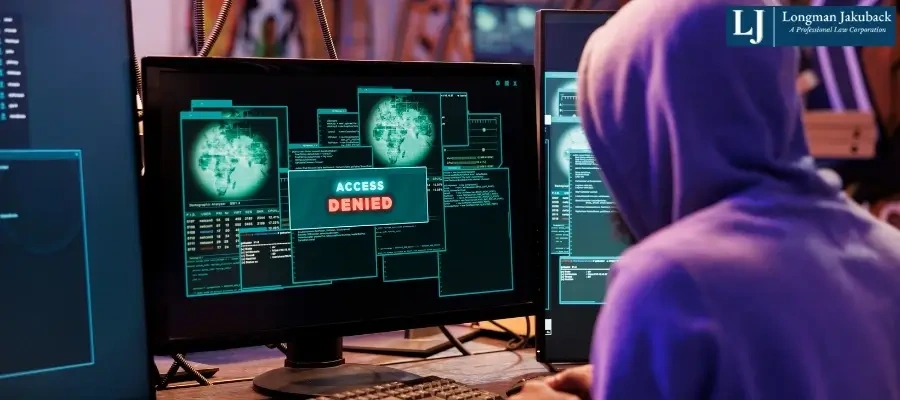
Fraud charges often rely on circumstantial evidence, but a strong defense can show the real story. There are severe consequences for getting convicted of fraud, and no one should go through it alone. Keep your future open by working with a Baton Rouge fraud lawyer.
We fight aggressively to protect your rights and future.
Fraud charges can upend your life. Our criminal defense firm, based in Baton Rouge, has built a reputation for straight talk and tough defense. The attorneys at Longman Jakuback give honest assessments of our client’s situations. Fraud cases need fast action and smart methods because the stakes are high.
Fraud cases all share similarities, but there are important differences that could affect your case. The most common types of fraud charges include:
Regardless of the type of fraud, prosecutors can gather evidence to prove it, like emails, bank statements, and past transactions. Most importantly, the prosecution has to prove that the accused was not acting in good faith.
A strong defense can challenge the prosecution’s case by attacking weak evidence, questioning intent, and exposing errors they might have made throughout the case. Different defenses apply depending on the facts.
It’s important to act quickly to prevent severe penalties. Do not speak with law enforcement without an attorney because you might unknowingly self-incriminate yourself. Hire a Baton Rouge Fraud attorney as soon as possible so they can request documents and educate you on how to conduct yourself during interviews.
The types of fraud in Baton Rouge include a wide range of offenses. Each type of fraud carries legal consequences that vary based on the amount of money stolen, how the deception was carried out, and whether the accused has prior offenses. Bank fraud is committed against financial institutions, while wire fraud takes place either online or over the phone. Identity theft is when someone uses another person’s information for financial gain.
Fraud is proven when prosecutors show the accused committed fraud intentionally and deceived people to do it. To prove this, they can use financial records, emails, phone calls, and witness testimony. Prosecutors can bring in professionals to testify about financial transactions and forms of more complicated evidence. Sometimes, circumstantial evidence might even be allowed, like sudden windfalls or discrepancies in documents and records.
If someone is under investigation for fraud, they should avoid speaking with investigators before seeing an attorney. Law enforcement is free to record what you say to use in court later. The earlier you find an attorney, the more protected you are against self-incrimination and subpoenas or document requests. Acting out of fear and destroying or altering documents can lead to obstruction charges.
A person can be charged with fraud if there is obvious intent behind their actions. A simple mistake like filling out a form incorrectly is not enough for a conviction unless it can be proven that it was done on purpose. Errors in financial documents can lead to an audit or penalties, but usually not criminal charges unless it is intentional.
When your freedom or your family is on the line, you deserve a team that is as invested in the outcome as you are.
Fraud cases are often built on documents and a hunch, but this is not proof. An effective legal defense team can challenge these documents to prevent the prosecution from controlling the results. These types of charges need as strong of a defense as possible. Schedule a consultation with Longman Jakuback to see what types of defense options fit your case.
If you or someone you love is facing criminal charges in Louisiana, the team at Longman Jakuback is ready to fight for you. Contact us today for a free and confidential consultation.
The Saltz Building
830 Main Street, Floor 2
Baton Rouge, LA 70802
© 2026 Longman Jakuback, APLC• All Rights Reserved. Disclaimer | Site Map | Privacy Policy. Digital Marketing By: 
*Images are obtained under license from Canva and other third-party stock image providers, with attribution included where required.