
Baton Rouge Tax Evasion Lawyer
Baton Rouge Tax Evasion Attorney
Accusations of tax evasion carry serious risks, including hefty fines, asset seizures, and even prison time. That’s why you need a Baton Rouge tax evasion lawyer who understands how high the stakes are when the government comes knocking.
At Longman Jakuback, we’re here to support you. If you’re facing scrutiny from the IRS or Louisiana’s tax agencies, our team of knowledgeable advocates can make all the difference in how your case unfolds.
The Harsh Reality of Tax Evasion Charges
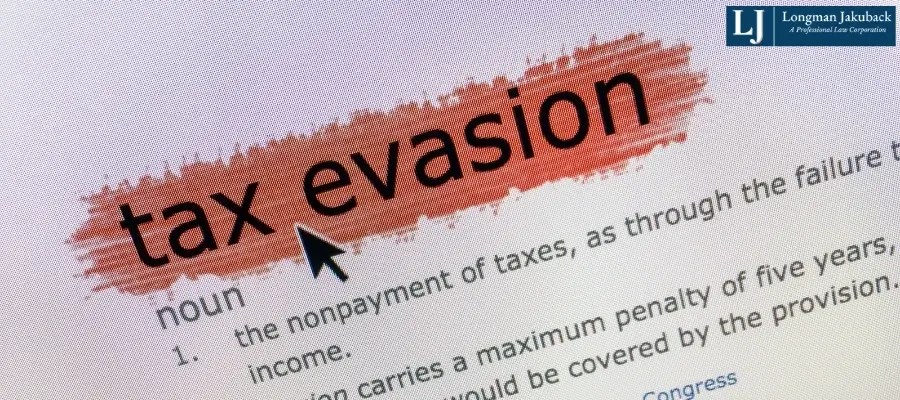
Tax evasion isn’t a paperwork issue; it’s a felony under both federal and Louisiana law. Given that 30% of those leaving federal prison wind up on unemployment, and 28.9% of convicted people risk developing depression, the only course of action is to minimize the charges before trial.
Luckily, over 90% of felony cases are resolved without a trial, which gives the right defense team an opportunity to argue for a reduction in charges.
If convicted, you could be facing:
- Years in federal prison
- Substantial fines
- Asset seizure
- Long-term damage to your personal and professional reputation
What makes tax evasion especially dangerous is the way it’s investigated: quietly and thoroughly. By the time you’re contacted, the government has likely already compiled a substantial amount of evidence against you, and this is why it’s so important to seek legal counsel as soon as possible.
Why Choosing a Baton Rouge Tax Evasion Lawyer Matters
When you’re accused of tax evasion, you don’t just need a defense; you need a local advocate who understands both the state and federal systems. Baton Rouge is home to critical institutions where your case may be processed, including:
- U.S. District Court for the Middle District of Louisiana
- 19th Judicial District Court of East Baton Rouge Parish
- Louisiana Department of Revenue Headquarters
- Federal Building and U.S. Courthouse on Florida Street
Navigating these legal corridors demands a lawyer who’s already familiar with their procedures, judges, and local dynamics. Longman Jakuback has a deep-rooted presence in Baton Rouge and knows how to anticipate the moves prosecutors make in these courtrooms.
Common Allegations and Defense Scenarios
Tax evasion accusations often involve a pattern of financial behavior that investigators piece together to showcase an intention to commit fraud. However, not every irregularity is criminal. Understanding the specific allegations against you is important when building a focused, effective defense.
Some of the most common allegations include:
- Failure to report all income
- Inflated deductions
- Failure to file returns
- Use of offshore accounts
- Business structuring schemes
Every tax evasion allegation has its own financial trail, but no two cases are identical. Whether your situation involves complicated business structures or simple filing mistakes, the key to your defense lies in context, evidence, and intent. With the right legal approach, it might be possible to challenge the government’s narrative and mitigate, or even eliminate, the most damaging consequences.
How Longman Jakuback Approaches Tax Evasion Cases
Facing tax evasion allegations demands a strategic approach tailored to the complexities of your financial situation and the investigative process. At Longman Jakuback, our method centers on thorough preparation and aggressive advocacy. We aim to uncover all the facts to identify the most favorable course of action for your unique case.
We do this by:
- Early investigation: We move quickly to understand the scope of the charges, obtain financial records, and identify weaknesses in the prosecution’s claims.
- Technical review: Tax law is complicated. We consult with forensic accountants, former IRS agents, and financial experts to identify legitimate explanations for any flagged activity.
- Pre-trial negotiation: In some cases, it might be possible to resolve the matter before any charges are filed. This could include payment plans, amended returns, or settlements.
- Courtroom litigation: If the case goes to trial, we craft a defense that emphasizes lack of intent, accounting errors, or overreach by investigators.
By combining detailed financial analysis with negotiation and courtroom experience, Longman Jakuback crafts defenses that go beyond surface-level tactics. Our commitment is to protect your rights at every stage, challenge the prosecution’s claims, and seek resolutions that preserve your future and peace of mind.
Beyond Guilt or Innocence: The Real Stakes
Tax evasion cases often involve more than just whether money was reported correctly. They’re about intent and narrative. Prosecutors try to cast you as someone who willfully took advantage of the system. Your defense must show the opposite: that you’re a person who made a mistake, was misled, or simply misinterpreted confusing laws.
We work with you to tell your side of the story in your voice, backed by documents, input from experts, and careful legal reasoning.
FAQs About Baton Rouge Tax Evasion Laws
Can a Tax Evasion Charge Affect My Professional License in Louisiana?
Yes, a tax evasion charge can affect your professional license in Louisiana. In many licensed professions, such as law, medicine, or financial services, a felony conviction can trigger disciplinary hearings and even permanent license revocation. Even an investigation, if made public, can damage your credibility. If you hold a license with a regulatory board, it’s important to involve a defense lawyer who can also coordinate with professional license counsel.
Can I Still Be Charged if Someone Else Prepared My Taxes?
Yes, you can still be charged if someone else prepared your taxes, but intent is key. If the IRS or Louisiana authorities believe you knowingly submitted false returns, even if a third party prepared them, you could still be held responsible. However, proving you relied on bad advice in good faith can form the basis for a strong defense.
Can Social Media Activity Be Used Against Me in a Tax Evasion Investigation?
Yes, social media activity can be used against you in a tax evasion investigation. Photos, posts, or comments can inadvertently provide investigators with clues to hidden assets or lifestyle discrepancies. It’s wise to be cautious with online activity during an investigation, and our team can advise on digital privacy protections.
Can Paying Back Taxes Stop Criminal Charges?
Repayment can help, but it doesn’t automatically prevent prosecution. Voluntary payments might reduce penalties or support a settlement. It can also improve your standing and influence how the prosecution decides to proceed. However, if an investigation is already underway and evidence of willful fraud exists, simply paying the owed amount likely won’t help.
Schedule a Confidential Consultation with Longman Jakuback
At Longman Jakuback, our Baton Rouge tax evasion lawyers are ready to stand by your side, push back against aggressive investigators, and build a path forward.
Contact us today to schedule a free consultation.

Office Address
The Saltz Building
830 Main Street, Floor 2
Baton Rouge, LA 70802
Phone Number
Fax
© Copyright 2026 Longman Jakuback. All rights reserved.
Digital Marketing By 