
Baton Rouge DWI Lawyer
Baton Rouge DWI Attorney
Driving while intoxicated (DWI) is a serious offense that is, unfortunately, a common crime. It can be terrifying to be arrested or charged with a DWI due to a mistake or misunderstanding. Whether or not you committed the crime, you need to work with a talented Baton Rouge DWI lawyer. Without a skilled attorney, you are more likely to be convicted of far worse charges than you committed.
If you were arrested for DWI in Louisiana, you need to understand that a criminal conviction is not an automatic outcome. There are steps you can take to defend your driver’s license and seek a reduction or dismissal of charges. Not everyone accused of drunk driving is guilty, and you should have a DWI defense lawyer on your side as soon as possible to help minimize the negative consequences of an arrest. Acting quickly is the most effective way to protect your rights and your future.
Securing Your Legal Representation in Baton Rouge
At Longman Jakuback, our DWI defense attorneys provide strong and effective representation to clients in Baton Rouge and throughout Louisiana. Let us look into your case and develop a strategy for protecting your rights and interests. We passionately advocate for our clients. If you or a loved one has been arrested for or charged with a DWI in Baton Rouge, our team can help.
If you do not secure legal support, you will likely find yourself facing a DWI conviction. A criminal conviction can affect your immediate future through fines and imprisonment and harm your long-term opportunities. Our team can help mitigate or avoid these consequences, such as by determining whether your rights were violated during your arrest. Our significant resources, knowledge, and criminal defense strategies can be used to your benefit.
To set up a free consultation, please call us in Baton Rouge at 225-383-3644 or complete our contact form. Our attorneys and staff are ready to help you put this matter behind you as soon as possible.
Understanding Baton Rouge DWI Laws
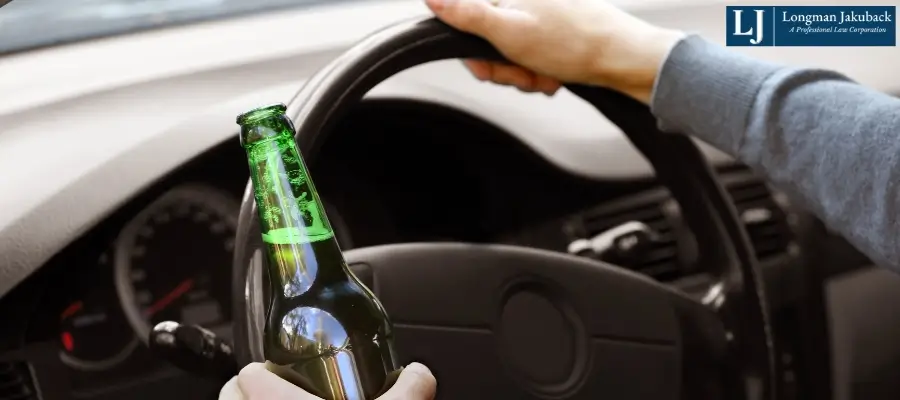
Louisiana is harsh on DWI offenses. A DWI occurs when any motor vehicle, watercraft, aircraft, or other vessel is operated while the operator is under the influence or intoxicated. State law sets a blood alcohol concentration (BAC) of 0.08% as the legal limit. Even if there is no visible impairment, a person can be convicted of a DWI for having a BAC over the legal limit as long as there was probable cause for the stop.
This is not the only definition of driving while intoxicated. Your BAC can be under the legal limit of 0.08%, and you can still be arrested, charged, and convicted of a DWI. If you are considered under the influence of alcohol, controlled substances, or a mix of alcohol and legal prescriptions, this could be charged as a DWI.
If you are under the age of 21 and driving under the influence, the BAC legal limit is 0.02%. Underage DWI charges should not be taken less seriously. If an underage driver is found driving with a BAC of 0.08% or higher, then they will receive the same penalties as any other driver.
Know Your Defense Options
As a Baton Rouge DWI lawyer, our goal is always to secure the most favorable outcome possible for our client. Depending on the circumstances, that could mean:
- Dismissal of a DWI charge prior to trial
- Suppression of breath test results, blood test results, or field sobriety test results
- Felony DWI charge reduced to misdemeanor DWI charge
- A not-guilty verdict at trial
We handle all types of DWI cases, including DWI probation violations, felony charges against repeat offenders, and juvenile DWI charges.
Did the police officer lack probable cause to arrest you? Many DWI charges are reduced or dismissed because officers made mistakes before, during, or after the arrest. We can investigate your case for any such errors.
DWI Penalties
The penalties for a DWI increase for repeat offenses, with judges likely being less lenient with sentencing if a driver has multiple prior DWI convictions. Louisiana only considers convictions for a DWI within the ten years prior to the current charge.
This includes DWI convictions under other jurisdictions. However, there are offenses considered a prior charge other than a DWI, including vehicular homicide, vehicular negligent homicide, third-degree feticide, and first-degree vehicular negligent injuring.
DWI charges may also be increased due to other factors. Aggravating factors include:
- Child endangerment, when an individual has a child 12 or younger in the vehicle that they are operating while under the influence
- High BAC, when the operator of the vehicle has a BAC of 15% or higher
- Very high BAC, when the operator has a BAC of 20% or higher
- Injury or death, when the individual causes an accident due to their impairment that causes a serious injury or death of another person
DWI penalties include fines, jail or prison time, license suspension, probation, installation of ignition interlock device (IID), and a permanent criminal record. There are also collateral consequences, which are not direct criminal penalties but can still affect your entire life.
First DWI Penalties
Even for a first offense, a DWI can carry serious consequences. If it is your first DWI offense with no aggravating factors, then the consequences of a conviction may include:
- Fines between $300 and $1,000
- Imprisonment for a minimum of 10 days and up to six months
This sentence can only be suspended if probation is sentenced with the following required elements:
- 48 hours of jail time or a minimum of 32 hours of community service
- Participation in an approved substance abuse program, which can also include a clinician assessment to determine the existence of a substance abuse disorder
- Participation in an approved driver improvement program
- Prohibition from operating a motor vehicle during probation for a minimum of six months unless the vehicle has a functional IID
If it is your first DWI in Baton Rouge but your BAC was between 0.15% and 0.20%, then 48 hours of the jail sentence must be served without parole, probation, or suspension. This is in addition to sentences imposed in any first-time DWI charge, as long as it does not exceed six months of imprisonment. Your driver’s license will also be suspended for two years.
If your BAC is more than 0.20%, then the following penalties apply:
- Driver’s license suspension for two years
- Fines between $750 and $1,000
- 48 hours of jail time served without parole, probation, or suspension
In any of these cases, the court may replace an imprisonment sentence with a home incarceration. Other aggravating factors, such as causing an injurious accident, may lessen the leniency of a sentencing judge.
Second DWI Penalties
For a second DWI within ten years, penalties include:
- Fines between $750 and $1,000
- Imprisonment between 30 days and up to six months
- A minimum of 48 hours of the sentence served without parole, probation, or suspension
If the rest of the sentence is suspended, probation must be sentenced with the following requirements:
- A minimum of 15 days in jail or 240 hours of approved community service
- Participation in an approved substance abuse program and potential clinician assessment of a substance abuse disorder
- Participation in an approved driver improvement program
- Prohibition from operating a motor vehicle unless there is an IID for a minimum of six months as long as the driver’s license is suspended
These penalties apply whether the second offense happened before or after the first DWI conviction. If your BAC was over 0.15%, then a minimum of 96 hours must be served without parole, probation, or suspension, and your driver’s license must be suspended for four years. There are additional consequences for other aggravating factors.
Third DWI Penalties
A third DWI conviction is charged as a felony in Louisiana. For a third DWI conviction within ten years, the following penalties apply:
- Fine of $2,000
- Imprisonment for a minimum of one year and up to five years with or without hard labor, with one year served without parole, probation, or suspension of sentence
- Any other penalties decided by the court’s discretion
The minimum one-year imprisonment can be replaced with a drug division probation program. Only in very specific situations can the imprisonment sentence be replaced with home incarceration. If you are placed on probation and fail to complete it or violate the conditions of probation, you may be required to serve the entire sentence in prison, ignoring any time spent in probation already.
Fourth DWI Penalties
A fourth DWI conviction within ten years of the first has the following penalties:
- Fine of $5,000
- Imprisonment for a minimum of 10 years and up to 30 years, with or without hard labor, and with a minimum of two years served without parole, probation, or suspension
The two-year required sentence served can be waived with acceptance into a drug division probation program. There are other additional penalties and requirements depending on the discretion of the court and other unique circumstances.
With each subsequent DWI charge and conviction, judges are less likely to be lenient and more likely to assign more significant penalties. If you have one or several prior DWI convictions, it is particularly important that you obtain the services of a skilled and experienced attorney. An attorney may be able to prevent you from receiving the most severe penalties and advocate to the judge for leniency.

Underage DWI Penalties
If you are under the legal drinking age when you are arrested for a DWI, your BAC limit is much lower than other drivers. If your BAC is between 0.02% and 0.07%, then you may face the following penalties:
- For a first offense, fines between $100 and $250 and imprisonment of between 10 days and three months
- For a second offense, fines between $250 and $500 and imprisonment of between 30 days and six months
Suspension of the minimum sentence requires community service and specific program participation. If your BAC is 0.08% or higher, you face the typical DWI penalties.
Collateral Consequences of a DWI in Baton Rouge
Criminal consequences can directly affect your freedom of movement and your finances. There are several costs and long-term impacts that are not considered direct criminal penalties but still harm your life. These include:
- Cost of installing an IID in your car and any car you wish to drive
- Cost and time spent in a driver improvement program and substance abuse treatment
- Cost of increased insurance premiums
- Impact of being unable to drive or having restricted driving privileges
Additionally, conviction results in a criminal record. A criminal record can have life-long collateral consequences because it is a public record available for background checks. This can affect your life in many ways by:
- Limiting educational opportunities
- Preventing you from accessing federal loans and other benefits
- Resulting in eviction or limiting your housing options
- Affecting relevant job opportunities, such as those that require safe driving
The most effective way to avoid both short-term and long-term consequences of a conviction is to work with an attorney to avoid conviction entirely or limit your penalties. An attorney is crucial to defending your license immediately after an arrest, determining the right defense for your situation, and fighting to lessen or remove the penalties you face.
FAQs About Baton Rouge DWI Laws
How Much Is a DWI Lawyer in Louisiana?
The cost of a DWI lawyer in Louisiana will vary significantly. Attorneys commonly charge DWI cases on a flat fee basis, although some may charge an hourly rate, particularly for complex DWI cases. Other factors that influence the cost of an attorney include:
- Their experience and past success in DWI defense
- The severity of the charges against you, such as how many DWIs you have previously been convicted of or if you caused serious harm while driving
- Whether the case is settled before trial
What Is the Difference Between a DUI and a DWI in Louisiana?
In Louisiana, a DUI (Driving Under the Influence) and a DWI (Driving While Intoxicated) mean the same thing. While in some states, these are different offenses, Louisiana uses OWI for all impaired and intoxicated driving offenses.
DWI and OWI refer to being under the influence of any drug or controlled substance that impairs driving ability, not just alcohol.
Can You Get a DWI on Private Property in Louisiana?
You might not get a DWI in Louisiana for driving intoxicated on private property, but these laws may vary in individual parishes. If the private property is accessible to the public, DWI laws likely still apply. Even if this isn’t the case, certain criminal statutes still apply even on private land. Additionally, if you are in an accident, even on private property, you can still be liable under your insurance for driving under the influence. Talk with an attorney for accurate legal advice.
How Long Do You Go to Jail for a DWI in Louisiana?
For a first-time DWI offense in Louisiana, there is a minimum sentence of 10 days and up to six months in jail. This minimum sentence can be suspended for a probation sentence only if certain conditions are met:
- Serve either 48 hours in jail or perform a minimum of 32 hours of court-approved community service
- Attend a court-approved substance abuse program, potentially including a physician assessment
- Attend a court-approved driver improvement program
- Six months of being prohibited from driving a car unless an ignition interlock device is installed
Contact Us For A Free Consultation with a Baton Rouge DWI Lawyer
A DWI arrest can be terrifying, and it is crucial that you have the legal support you deserve during this time. Longman Jakuback wants to represent your rights and guide you through the complicated and often frustrating proceedings of the criminal justice system. For a free and confidential consultation, call Longman Jakuback at225-383-3644 or complete our contact form. Our attorneys have offices in Baton Rouge and represent clients throughout the surrounding parishes.

Office Address
The Saltz Building
830 Main Street, Floor 2
Baton Rouge, LA 70802
Phone Number
Fax
© Copyright 2026 Longman Jakuback. All rights reserved.
Digital Marketing By 